Global buyers are rethinking shipper boxes for 2026. The strongest options will balance protection, cost, automation, and environmental performance. A box is no longer just a shipping container. It is a warehouse tool, a delivery safeguard, and a visible part of the customer experience.
Smithers’ The Future of Corrugated Packaging to 2028 estimates that the global corrugated packaging market could reach approximately US$246 billion by 2028. E-commerce continues to support this demand. Pitney Bowes’ Parcel Shipping Index also recorded more than 160 billion parcels worldwide in 2023. These figures show why box design matters at scale. A small change in board grade can affect millions of shipments.
Dr. Jay Singh, a packaging professor at California Polytechnic State University, has emphasized a practical principle: “Packaging optimization is a balance between protection, cost, and sustainability.” His point remains highly relevant for 2026 buyers. Regular slotted cartons, heavy-duty double-wall boxes, die-cut mailers, and recyclable paper-based designs will serve different supply chains. Some buyers may overvalue lightweighting. That can create crushed corners, product returns, and hidden costs. Others may choose oversized cartons for safety. That wastes storage space and increases transport emissions.
The better question is not which shipper boxes look most advanced. It is which design performs consistently across real routes, climates, handling systems, and product weights. Global buyers should examine compression strength, dimensional efficiency, recycled content, closure reliability, and supplier testing records before making a decision.
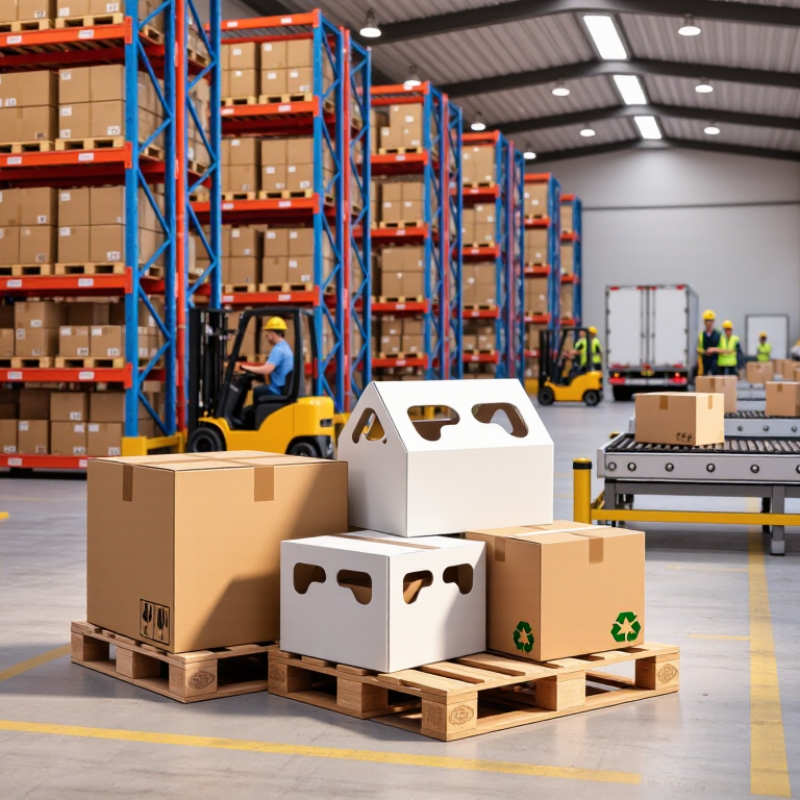
For global buyers in 2026, a shipper box is more than a folded carton. It is a tested packaging system for storage, handling, transport, and delivery. Its design must protect products across humid ports, cold warehouses, and crowded distribution centers. A reliable shipper box usually combines strong corrugated construction, accurate sizing, secure closures, and readable shipping information. Empty space matters. Too much can increase movement, damage, and freight costs.
Experienced packaging teams check edge crush strength, bursting resistance, compression performance, and moisture behavior. These tests help buyers compare suppliers using evidence instead of attractive samples alone. Box dimensions should also match pallet patterns and common freight limits. Small measurement changes can affect container efficiency. That detail is easy to miss.
Global buyers also expect responsible material choices in 2026. Recyclable fibers, water-based printing, and reduced plastic components can support sustainability goals. However, a lighter box is not automatically better. If it collapses during stacking, replacement shipments create more waste. This is where practical judgment matters. Laboratory results cannot represent every delivery route.
A well-defined shipper box also supports traceability. Clear markings, batch records, and consistent production tolerances help teams investigate damage claims. Buyers should request test reports, sample approvals, and packaging specifications before large orders. Suppliers may provide confident promises, but documented performance is more dependable. Even then, field trials remain valuable. Real shipments reveal weaknesses that controlled testing may overlook.
What Are the 2026 Top Shipper Box Types for Global Buyers?
International shipping rewards simple, tested structures. The regular slotted container remains a practical choice for palletized cargo. Its flaps meet at the center and reduce manufacturing waste. Full-overlap boxes add stacking strength for dense products. Double-wall corrugated boxes suit heavier goods and long routes. Die-cut mailer boxes protect smaller shipments with fewer internal parts. Small details matter.

The Smithers report, The Future of Corrugated Packaging to 2029, identifies continued growth in e-commerce and transport packaging demand. However, growth does not remove shipping risks. Moisture can weaken paper fibers during sea freight. Uneven pallets can crush lower cartons. Dimensional-weight charges can also make oversized boxes expensive. Buyers should request edge crush test values, board grade, compression results, and moisture performance. ISO 12048 provides a recognized method for testing package compression. ISTA 3A testing can simulate common parcel delivery hazards, including vibration, impacts, and compression.
Corrugated boxes must also support international handling requirements. Consistent dimensions improve pallet stability and warehouse efficiency. Clear product labels help reduce sorting mistakes. Recyclable fiber-based construction supports circular packaging goals, but coatings and mixed materials may complicate recovery. The European Commission’s Packaging and Packaging Waste Regulation places greater attention on packaging minimization and recyclability. A box can pass a laboratory test and still fail beside a wet container wall. That assumption deserves review. Real route trials, accurate product weights, and honest damage records often reveal more than a specification sheet.
What Are the 2026 Top Shipper Box Types for Global Buyers?
When to Choose Single-Wall, Double-Wall, or Triple-Wall Boxes
Single-wall boxes suit lightweight products, short routes, and controlled warehouse handling. They work well for folded garments, small household items, and retail replenishment. Choose a strong flute profile when surface damage matters. In packaging trials, I check corner crush, tape adhesion, and moisture exposure before approving a shipment. A thin box may look efficient, but it can fail after one wet loading bay.
Double-wall boxes are the practical choice for most international shipments. Their two corrugated layers resist stacking pressure during container and pallet transport. Use them for appliances, packaged food equipment, spare parts, or mixed cartons with moderate weight. Leave enough internal space for cushioning, but avoid excessive void fill. Empty space allows movement. Movement creates impact.
Triple-wall boxes serve heavy, dense, or unusually fragile products. They are useful for machinery components, stone samples, industrial tools, and long-distance freight with repeated handling. Their higher strength can reduce crushing, yet their added weight may increase freight charges. This trade-off deserves calculation. A stronger carton is not automatically a better carton.
Destination climate also changes the decision. Humid ports, temperature shifts, and outdoor transfers can weaken paper fibers. Specify moisture-resistant treatment when testing supports it. Compression, drop, vibration, and pallet-load tests should reflect the actual route. Local packaging rules and carrier limits must be verified before production. I have seen buyers overbuild cartons for safety, then discover that poor product placement caused the real damage. The box type matters, but the complete packing system matters more.
What Are the 2026 Top Shipper Box Types for Global Buyers?
The Pitney Bowes Parcel Shipping Index recorded 161.1 billion parcels worldwide in 2023. That volume makes box selection a serious logistics decision. Standard regular-slotted corrugated boxes remain practical for mixed goods and warehouse automation. Mailer boxes suit apparel, books, and compact consumer products. Their self-locking design reduces tape use and improves unboxing control. Die-cut boxes protect irregular items with closer internal fitting. They can reduce movement, though custom tooling may increase purchase costs. I would not assume the smallest box is always the most efficient.
Specialty shipper boxes should follow product risk, not fashion. Partitioned boxes suit glass containers, laboratory equipment, and multiple fragile units. Telescopic boxes fit long products, such as lighting parts or rolled materials. Insulated shippers support temperature-sensitive food and medical supplies. Fiber-based insulation deserves attention because disposal conditions differ across countries. Smithers’ e-commerce packaging forecast through 2029 identifies continued pressure for lighter, recyclable formats. Meanwhile, the World Packaging Organisation’s global trends reporting highlights resource efficiency as a major packaging priority.
Tips: Measure the product with protective clearance included. Check edge-crush strength before choosing a lighter board. Request ISTA 3A testing for parcel environments. Test humid routes, not only dry warehouse conditions. A box can pass inspection and still fail after rain, vibration, or repeated handling. I still prefer real shipment trials because laboratory results cannot expose every routing mistake. Short trials reveal expensive weaknesses.
For 2026, global buyers are prioritizing corrugated mailers, right-sized cartons, and molded-fiber protective boxes. Each type reduces empty space and lowers shipping volume. OECD’s Global Plastics Outlook (2022) reports that packaging creates about 40% of global plastic waste. That figure makes material selection difficult to ignore. Recycled-content corrugated board can reduce virgin material use, while molded fiber replaces some plastic inserts. Reusable shipping totes also suit closed-loop routes, but they need reliable return systems. Otherwise, reuse becomes an attractive idea with poor logistics.
Smart features now influence box selection. GS1’s Sunrise 2027 guidance is accelerating the use of 2D barcodes for product and shipment data. A printed code can connect a carton with batch details, handling instructions, and recycling information. RFID labels, tamper-evident closures, and temperature indicators add value for sensitive goods. They also add cost. Data matters. Buyers should compare failure rates, scanning accuracy, and disposal conditions before choosing connected packaging.
McKinsey’s 2023 consumer research found that roughly 60–70% of respondents were willing to pay more for sustainable packaging in selected categories. However, willingness does not guarantee repeat purchases. In practical packing trials, an oversized “eco” box may use less plastic but consume more transport space. Small boxes win. The strongest 2026 choice may be a recyclable, right-sized carton with a low-cost 2D code. Yet buyers should keep testing, because smart packaging can become wasteful when its digital feature solves no real operational problem.
| Shipper Box Type | Typical Construction | Common Global Applications | Typical Recycled Fiber Content | Recycling Profile | Smart-Feature Readiness | Best Selection Priority |
|---|---|---|---|---|---|---|
| Regular Slotted Container (RSC) | Single-wall or double-wall corrugated fiberboard with flaps meeting at the center | General e-commerce, industrial parts, food, household goods and export cartons | 70–100% | Widely recyclable | High: QR, barcode, RFID label and printed handling indicators | Lowest total cost and broadest availability |
| Die-Cut Mailer Box | Precision-cut corrugated board with integral locking tabs and a self-folding structure | Direct-to-consumer parcels, cosmetics, apparel, consumer electronics and subscription shipments | 70–100% | Widely recyclable when free of non-paper components | High: serialized QR codes, return instructions and tamper-evident print | Brand experience with reduced tape use |
| Bookfold Box | One-piece corrugated board with hinged panels that fold around the product | Books, flat products, replacement parts, footwear and compact retail items | 70–100% | Widely recyclable | Medium–High: scan codes and digital product information | Compact sizing and fast manual packing |
| Full-Overlap Box | Corrugated container with overlapping flaps that provide extra panel strength | Heavy or fragile goods, machinery components and long-distance export shipments | 50–100% | Widely recyclable | Medium: impact labels, barcode tracking and pallet-level sensors | High compression strength and stacking stability |
| Multi-Depth Adjustable Box | Creased or scored corrugated carton with several height settings | Mixed-SKU fulfillment, spare parts, marketplace orders and returns | 70–100% | Widely recyclable | High: unique serial codes and digital return workflows | Lower void space and fewer box sizes in inventory |
| Paper-Based Protective Mailer | Kraft paper or corrugated paper structure with crumpled, honeycomb or molded-paper cushioning | Apparel, books, non-fragile accessories and lightweight consumer products | 60–100% | Generally recyclable if fiber-based and clean | Medium: QR-based care, recycling and traceability content | Plastic reduction and low package weight |
| Reusable Corrugated Transit Box | Heavy-duty corrugated board with reinforced edges, locking closures or return-ready features | Closed-loop distribution, repair logistics, rental programs and frequent B2B transfers | 50–100% | Recyclable at end of service life | Very high: RFID, NFC, condition monitoring and return tracking | Multiple trips and total lifecycle cost |
| Insulated Fiber Shipper | Corrugated outer box combined with molded fiber, paper wool or other fiber-based thermal insulation | Temperature-sensitive food, pharmaceuticals and laboratory shipments | 40–100% | Material separation may be required | Very high: time-temperature indicators and data loggers | Thermal protection with reduced fossil-plastic content |
We offer Packaging Boxes delivered to your door. Secure, professional, and affordable, our custom made packaging boxes are guaranteed to protect and transport your valuable items. Our devoted team is always there to serve you.