How to Choose the Right Corrugated Shipping Boxes for Your Needs
Choosing the right corrugated shipping boxes is a critical step in ensuring that your products reach their destination safely and efficiently. With a variety of shapes, sizes, and designs available, it can be overwhelming to determine which option best suits your shipping needs. Corrugated shipping boxes not only provide the necessary strength and protection for your items but also contribute to the overall branding and presentation of your products during transit.
When selecting corrugated shipping boxes, it is essential to consider factors such as the nature of your products, the shipping method, and the distance they will travel. The right packaging helps minimize damage, reduces shipping costs, and can even enhance customer satisfaction. This guide will walk you through the key considerations, helping you make an informed choice that aligns with your shipping requirements. Whether you are a small business owner or part of a larger organization, understanding the various options available will empower you to choose corrugated shipping boxes that cater to your specific needs and ensure the protection of your valuable items.
Understanding Different Types of Corrugated Shipping Boxes
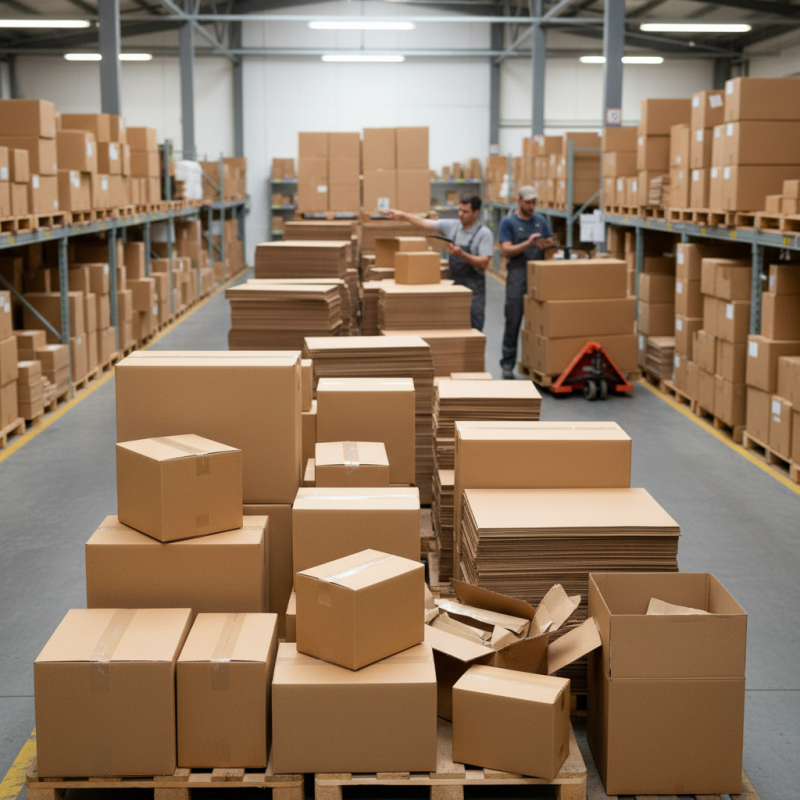
When selecting corrugated shipping boxes, it's essential to understand the different types available to meet your specific shipping needs. Corrugated boxes are made from layers of paperboard, providing durability and protection for various items. The most common types include single-wall, double-wall, and triple-wall boxes. Single-wall boxes are suitable for lightweight products and short-distance shipping, while double-wall boxes offer extra strength for heavier items or longer transport. Triple-wall boxes, featuring three layers of fluting, are ideal for more substantial goods or rigorous shipping conditions.
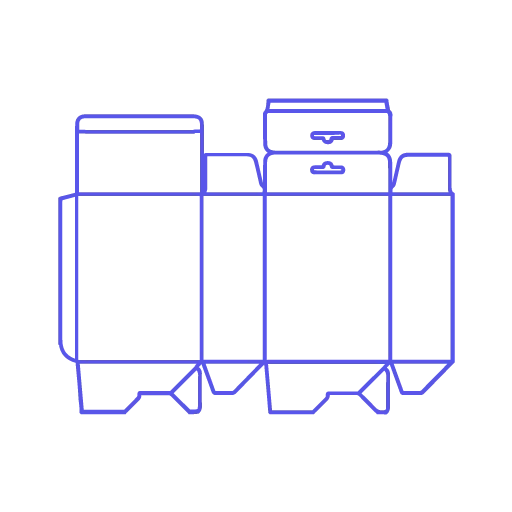
Another important consideration is the style of the box. Regular slotted containers (RSC) are the most frequently used box shape, allowing for easy assembly and packing. However, for items that require added protection or specific dimensions, die-cut boxes can be customized to fit your products precisely. Additionally, consider the box's flute size—A-flute provides cushioning, C-flute offers balance, and E-flute is best for thin surfaces. By understanding these variations, you can choose the right corrugated shipping box that will safeguard your goods during transit and optimize your shipping efficiency.
Factors to Consider When Choosing Corrugated Boxes
When selecting corrugated shipping boxes, several key factors should be taken into account to ensure they meet your specific needs. Firstly, the box's strength is paramount. Industry standards often categorize corrugated boxes based on their bursting strength and edge crush test (ECT) ratings. According to the Fibre Box Association, boxes with higher ECT ratings are suitable for heavier loads, making it crucial to select a box that can adequately support the weight of your products during transit without risk of crushing or bursting.
Another vital consideration is the size of the box. A well-fitted box minimizes movement during shipping, reducing the risk of damage. According to a report by Smithers Pira, packaging that fits properly can lower shipping costs and improve the overall sustainability of the packaging system. Dimensionally accurate boxes can also contribute to reducing material waste, as they are produced with fewer excess materials. Additionally, evaluating the box's material type is essential; for instance, single-wall boxes are often adequate for lightweight items, while double-wall boxes provide better protection for heavier or fragile cargo.
Lastly, think about the box's design and functionality. Custom designs that allow for easy assembly and reliable sealing can further enhance shipping efficiency. Sustainability is increasingly important in today’s market, with 70% of consumers indicating a preference for brands that use eco-friendly packaging, according to a recent survey by Nielsen. Opting for recyclable materials or boxes made from recycled content can not only support your environmental initiatives but also appeal to a growing base of environmentally conscious consumers.
Assessing Size and Weight Requirements for Shipping
When selecting corrugated shipping boxes, assessing size and weight requirements is crucial to ensure safe and efficient transportation. First, consider the dimensions of the items you plan to ship. Measure the length, width, and height of your products, as well as any additional packaging that may be required, such as protective materials. This will help you determine the appropriate box size that not only accommodates your items but also minimizes excess space, which can lead to damage during transit.
Weight is another important factor to consider when choosing corrugated boxes. Each box type has a weight limit, which can affect how much you can ship safely. Assess the combined weight of your items and ensure that the box selected can support this weight without risking structural integrity. It is also essential to account for the weight of the packaging materials you will use. By evaluating these aspects, you can select boxes that provide adequate protection while meeting shipping regulations and cost-effectiveness.
Evaluating Strength and Durability of Corrugated Materials
When selecting corrugated shipping boxes, evaluating the strength and durability of the materials is crucial to ensure your items arrive safely. Corrugated boxes are constructed from layers of fluted paper sandwiched between linerboards, which provides inherent sturdiness. The flute configuration—varying in size and thickness—affects the box's burst strength and compression resistance. Choosing the right flute type for your product's weight and fragility is essential; for instance, thicker flutes offer better cushioning for heavier items while thinner flutes may suffice for lighter goods.
In addition to flute type, consider the box's edge crush test (ECT) rating, which measures the box's ability to withstand vertical pressure without collapsing. A higher ECT rating indicates stronger boxes that can support more weight, making it an important aspect for shipping logistics. Understanding the specific needs of your product and the conditions of transportation can guide you in selecting a box that not only meets strength standards but also minimizes the risk of damage during handling and transit.
Cost Considerations and Budgeting for Shipping Boxes
When budgeting for corrugated shipping boxes, it’s essential to consider not just the upfront costs but also the long-term implications on your shipping strategy. Evaluating the total cost involves understanding the materials, sizes, and the volume of boxes you need. A common misconception is that cheaper boxes will save money; however, investing in high-quality boxes may reduce damage and losses during shipping, thus lowering overall costs. It’s advisable to calculate your shipping expenses over time to make a more informed decision.
Tips: Always factor in the size and weight of your shipments. Large or heavy items require sturdier boxes, which can affect shipping costs. Moreover, consider bulk purchasing options, as many suppliers offer discounts for larger orders. This can not only save money but also ensure that you always have the right packaging on hand.
Additionally, don’t overlook the potential hidden costs associated with cheap packaging. If a box fails during transit, it may lead to product returns, unhappy customers, and ultimately, loss of revenue. Prioritize the balance between quality and cost. By carefully evaluating your needs, you can find shipping boxes that offer the best solution within your budget, ensuring efficiency and customer satisfaction.