
Why Choose Specialty Boxes for Global Product Packaging?

Global product packaging now carries more responsibility than protection alone. It must survive long-distance handling, communicate brand value, and support measurable sustainability goals. Smithers’ The Future of Global Packaging to 2028 estimates that the worldwide packaging market could approach $1.2 trillion by 2028. That scale creates opportunity, but also pressure. Every damaged corner, loose insert, or oversized carton can increase cost and waste.

Specialty boxes offer a practical response for products requiring controlled presentation and stronger protection. Rigid structures, molded inserts, magnetic closures, and precise internal sizing can turn an ordinary shipment into a deliberate brand experience. PMMI’s e-commerce packaging research also highlights growing expectations for efficient, protective, and consumer-friendly delivery formats. The box arrives at the customer’s door. It becomes part of the product.

Packaging analyst Lisa McTigue Pierce has expressed this principle clearly: “Packaging is the first physical conversation between a brand and its customer.” Her observation explains why material choice, opening sequence, and printed detail matter. A specialty box can guide that conversation with a textured lid, a clean unboxing path, or a secure insert that prevents movement.

Still, premium appearance is not enough. A beautiful box can waste space, complicate recycling, or add unnecessary freight weight. That weakness deserves attention. The Sustainable Packaging Coalition and McKinsey both emphasize design decisions that balance performance, material use, and recovery options. For global brands, specialty boxes should therefore be engineered, tested, and reviewed—not selected only for visual impact. Small details matter. Sometimes, less packaging performs better.
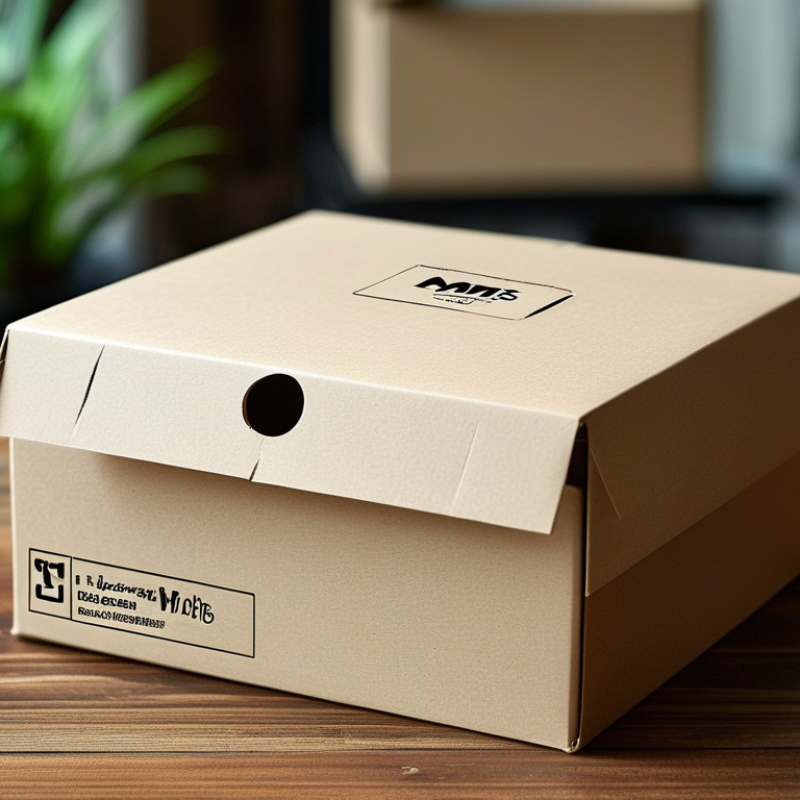
Why Choose Specialty Boxes for Global Product Packaging?

What Are Specialty Boxes in Global Product Packaging?

Specialty boxes are purpose-built packaging designed for products with unusual sizes, fragile surfaces, premium presentation, or strict handling needs. Unlike standard cartons, they may include custom inserts, layered protection, magnetic closures, windows, dividers, or moisture-resistant coatings. Their structure follows the product’s real risks. A glass item may need molded cushioning, while a long instrument may require a fitted internal channel. The box is part of the product experience.

In global product packaging, specialty boxes also support safer movement across different climates and distribution systems. Strong board grades, accurate dimensions, and secure closures can reduce crushing, shifting, and unnecessary void space. Packaging teams usually test compression, vibration, and drop resistance before wider shipment. However, a beautiful box is not automatically a reliable box. Over-designed packaging can increase weight, storage costs, and disposal concerns. This is where practical testing matters more than appearance.

Tips: Match the box to the product’s weak points. Leave no loose internal space. Check performance in humid and dry conditions. Confirm that printed handling information remains clear after transport. Ask for a physical sample before approving large production. Small design errors can become expensive across borders. I have found that teams sometimes trust a digital mock-up too much. It looks convincing, but real materials often behave differently. A final review should include fit, protection, opening comfort, and responsible material use.

How Do Specialty Boxes Meet International Packaging Requirements?

Specialty boxes help products travel safely across borders. Their structure can be adjusted for different sizes, weights, and handling conditions. A fitted insert keeps glass, electronics, or delicate components from shifting inside the carton. That small detail matters during long transport. Vibration is rarely gentle.

International packaging requirements vary by destination. Specialty boxes can reserve space for multilingual labels, batch information, handling symbols, and customs documents. Materials may also need to meet local recycling or import rules. Recyclable paper is useful, but its coating and adhesive still require review. A packaging engineer should confirm these details before production. Guesswork creates delays.

Testing makes the design more dependable. Drop tests, compression tests, and moisture exposure can reveal weak corners or loose inserts. In practical projects, boxes often fail where teams least expect them. A beautiful finish cannot repair crushed edges. We still need to question whether extra layers are necessary. They may improve protection, yet increase weight and shipping impact. Measurements should be checked against the final product, not an early sample. Requirements change, too. A box accepted in one market may need different markings or materials elsewhere. Local compliance specialists and current customs guidance remain important. The process is not perfect, but careful records make corrections faster.

Which Materials and Designs Protect Products During Global Shipping?

Why Choose Specialty Boxes for Global Product Packaging?

Which Materials and Designs Protect Products During Global Shipping?

Global shipping exposes packages to vibration, stacking pressure, humidity, and sudden temperature changes. Specialty boxes address these risks through stronger materials and purpose-built structures. Double-wall corrugated board offers better compression resistance than standard single-wall board. For heavier items, reinforced corners and edge protectors reduce crushing during pallet handling. Moisture-resistant coatings can help in humid ports, but they should not replace an inner barrier.

The box also needs the right internal design. Molded pulp, corrugated inserts, and custom-fit paper cushioning keep products from moving. Movement causes damage. A snug fit protects fragile edges and reduces impact energy. For sensitive equipment, suspended inserts can create space between the product and outer walls. Yet, overpacking adds weight and shipping costs. That trade-off deserves testing.

Tips: Test filled boxes with drop, vibration, compression, and humidity simulations. Check seams, corners, and closure strength. Use temperature indicators for products sensitive to heat or cold. Measure the package after testing, not only before it. Small failures matter.

Reliable packaging decisions come from evidence, not appearance. Compare board grades, flute profiles, and cushioning thickness under realistic shipping conditions. A box that survives a warehouse test may still fail after weeks in transit. Attractive packages can weaken near wet seams. That result is easy to miss. Review supplier specifications, request test records, and inspect sample shipments. Design revisions may be necessary.

Why Choose Specialty Boxes for Global Product Packaging? - Which Materials and Designs Protect Products During Global Shipping?
Packaging Material or Design Typical Protection Strength Moisture and Climate Performance Best Product Applications Global Shipping Advantages Important Design Considerations
Double-wall corrugated board High
Two fluted layers improve stacking strength and cushioning compared with single-wall board.
Moderate when kept dry; fiber strength decreases when exposed to prolonged high humidity or direct water. Appliances, spare parts, furniture components, and medium-to-heavy products. Lightweight, widely recyclable through established paper-recycling systems, and available in many box sizes. Use the correct board grade, internal clearance, edge protection, and compression strength for the product weight and stacking pattern.
Triple-wall corrugated board Very high
Three fluted layers provide greater rigidity and load-bearing capacity than standard single-wall construction.
Moderate; moisture-resistant coatings can improve performance but may affect recyclability. Industrial equipment, automotive parts, dense components, and export crates requiring lower weight than solid wood. Offers high strength with less tare weight than many timber solutions and can be designed as a returnable or one-way pack. Confirm pallet footprint, compression requirements, corner reinforcement, and handling limits before production.
Molded pulp inserts Medium
Designed cavities hold products in position and help distribute impact forces.
Limited in wet conditions unless treated; should be combined with an effective moisture barrier when needed. Electronics, glassware, cosmetics, household products, and products with shaped surfaces. Paper-based inserts can reduce plastic use and are often recyclable or compostable depending on the formulation and local facilities. Match cavity geometry to the product, protect fragile protrusions, and verify drop performance after compression and vibration testing.
Expanded polyethylene foam High
Resilient closed-cell foam provides cushioning, abrasion protection, and repeated recovery after compression.
Good resistance to moisture and many common chemicals; performance depends on density and temperature. Precision instruments, metal parts, medical equipment, and products needing reusable cushioning. Low water absorption helps reduce moisture-related damage during multimodal transport. Design for adequate cushioning thickness, product restraint, ventilation where required, and end-of-life recycling availability.
Expanded polystyrene foam High
Provides effective shock absorption when correctly molded for the product and drop height.
Low water absorption and good insulation performance; can be brittle under certain impacts or temperatures. Temperature-sensitive goods, appliances, laboratory items, and fragile products with molded-fit requirements. Very light and capable of reducing temperature change for some applications, although recycling access varies by location. Check local waste rules, avoid loose fragments, and validate the design against compression, vibration, and drop hazards.
Reusable plastic container with a fitted insert Very high
Rigid walls protect against crushing, while the insert controls movement and contact between parts.
Generally good resistance to rain, humidity, and repeated handling. High-value components, service parts, electronics, and products shipped repeatedly in closed supply loops. Suitable for repeated cycles and can reduce single-use packaging when reverse logistics are practical. Account for empty-container return costs, cleaning, nesting or stacking efficiency, closure security, and loss control.
Moisture-barrier inner bag or liner Protective supplement
Does not replace cushioning or structural packaging but helps limit moisture exposure.
Can reduce contact with humid air, condensation, dust, and some contaminants when properly sealed. Metal parts, powders, textiles, electronics, and products vulnerable to corrosion or humidity. Useful for long ocean routes and shipments passing through multiple climate zones. Control residual moisture before sealing; consider desiccants, corrosion inhibitors, seal integrity, and condensation risk.
Corner guards and edge protectors High support
Reinforce vulnerable edges and improve resistance to strapping, compression, and impacts.
Paper versions require dry storage; plastic versions generally tolerate humidity better. Flat-pack goods, framed products, panels, appliances, and palletized cartons. Helps maintain carton geometry and improves load stability during storage and transport. Use guards that fit the product dimensions; avoid concentrated pressure that could mark or deform the item.
Custom die-cut locking box Medium to high
Precise folds and locking tabs reduce movement and can eliminate some auxiliary materials.
Dependent on the paperboard grade, coatings, and exposure conditions. Retail products, small components, subscription products, and presentation-sensitive items. Improves pack-out consistency, reduces assembly time, and can optimize cube utilization in transport. Allow for product tolerances, stacking loads, automated packing, tamper evidence, and easy opening without product damage.
Export crate with treated wood components Very high
Rigid construction provides strong protection for heavy, oversized, or irregular equipment.
Good structural performance when properly designed, but wood can absorb moisture and may require weather protection. Industrial machinery, generators, large instruments, and heavy equipment. Suitable for demanding handling environments and can support lifting, blocking, and bracing requirements. Wood packaging used in international trade may need to comply with ISPM 15 treatment and marking requirements; verify destination rules.
Shock and tilt indicators Monitoring aid
They do not physically cushion the product but provide evidence of possible mishandling.
Choose devices rated for the shipment’s expected temperature and humidity range. Fragile, high-value, precision, and orientation-sensitive products. Supports receiving inspection and helps identify handling events across multiple transport stages. Place indicators where handlers can see them, define acceptance criteria, and combine them with suitable structural packaging.

How Do Specialty Boxes Strengthen Branding Across International Markets?

Specialty boxes turn packaging into a repeatable brand experience, even when products cross languages and time zones. A rigid structure, consistent color control, and carefully placed marks help customers recognize the same identity in different markets. Texture matters too. Soft-touch coating, precise embossing, or a firm magnetic closure can make a package feel considered before it is opened. In my packaging projects, these details often shaped first impressions more strongly than printed slogans.

Across international markets, the box can communicate quality without relying on fluent reading. Clear icons, restrained typography, and translated care instructions reduce confusion. Custom inserts also protect the product during long-distance handling, while keeping the unboxing sequence intentional. A removable tray may reveal the product slowly; a small thank-you card can create a warmer human moment. However, localization needs discipline. Colors, symbols, and opening styles may carry different meanings abroad.

A striking box is not automatically effective. I have seen elaborate structures waste material, slow packing, and frustrate customers who cannot open them easily. That weakness deserves honest review. Testing with local users, shipping simulations, and accessibility checks can expose problems before launch. Specialty packaging strengthens branding when appearance, protection, usability, and cultural respect work together. Sometimes, the most memorable detail is simply a box that opens cleanly.

What Factors Should Businesses Consider Before Choosing Specialty Boxes?

Why Choose Specialty Boxes for Global Product Packaging?

Before choosing specialty boxes, businesses should map the entire delivery route. The World Bank’s 2023 Logistics Performance Index surveyed 4,090 logistics professionals across 139 economies. Its findings show major differences in customs, tracking, and delivery reliability. A box designed for one market may face longer storage, repeated handling, or humid port conditions elsewhere.

Material selection needs equal care. UNCTAD’s Review of Maritime Transport 2023 states that ships carry over 80% of global merchandise trade by volume. That journey can expose packaging to compression, vibration, salt air, and temperature changes. Businesses should request drop, compression, and humidity tests using realistic shipping conditions. A thicker wall is not always safer. It can increase freight costs and create more waste. Sometimes, the elegant design is the wrong design.

Regulations and local recovery systems also matter. The Ellen MacArthur Foundation’s Global Commitment 2023 Progress Report highlights continuing challenges in packaging waste and recycling infrastructure. Therefore, companies should check whether coatings, adhesives, inserts, and mixed materials are accepted in the destination market. Supplier audits should examine material traceability, production tolerances, and replacement capacity. Ask for recent test records, not only attractive samples. Small details matter. A box that closes perfectly in a factory may split after a cold night in transit. That possibility deserves honest testing, even when it delays launch.

Get an Instant Quote

Share Your Feedback